Blog
What do polypeptides do for skin

what do polypeptides do for skin? Learn how these longer amino acid chains boost collagen, repair damage, and fight aging. Plus, shop recommended products.
Introduction
You’ve heard of peptides. But now you’re seeing polypeptides on ingredient labels and wondering: what do polypeptides do for skin that regular peptides don’t?
The short answer: polypeptides are longer chains of amino acids that work harder and last longer than shorter peptides. They deliver more intense anti-aging, repair, and firming benefits.
In this guide, you’ll learn exactly what polypeptides do, how they differ from regular peptides, and how to add them to your routine.
🔗 CTA – Visit our store
Ready to shop polypeptide products? [Browse our collection →] [Shop Now]
1. what do polypeptides do for skin? (Simple Definition)
what do polypeptides do for skin? Polypeptides are long chains of amino acids (typically 10–100 amino acids long) that act as powerful signaling molecules. They tell your skin to:
- Produce more collagen and elastin
- Repair damaged skin cells
- Strengthen the skin barrier
- Reduce inflammation
Think of regular peptides as a quick text message. Polypeptides are a detailed email – they deliver longer, stronger instructions to your skin cells.
2. Key Benefits – What Polypeptides Actually Do for Your Skin
So, what do polypeptides do for skin in practical, visible terms? Here are the proven benefits:
✅ 1. Boost Collagen Production More Effectively
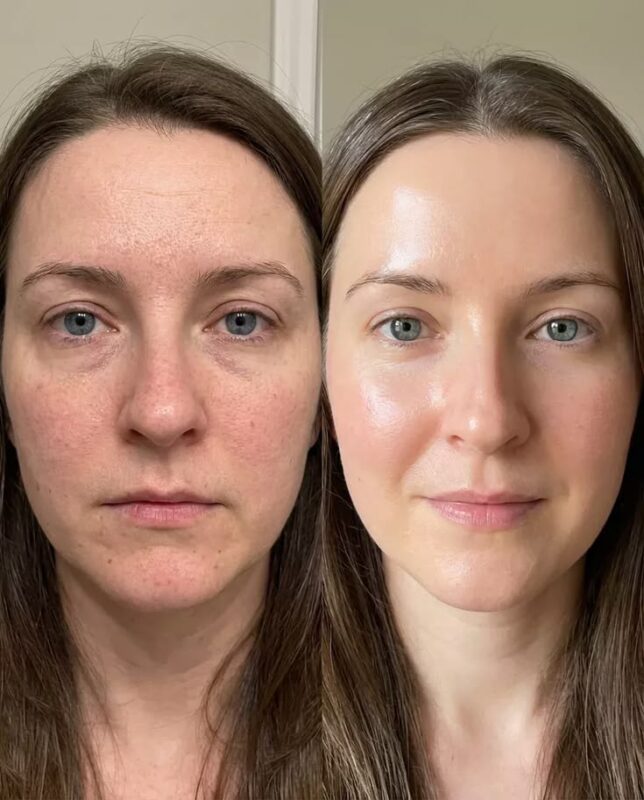
Because polypeptides are longer, they stay on your skin longer and send stronger collagen-building signals. Result: firmer, plumper skin.
✅ 2. Speed Up Skin Repair
Polypeptides help heal sun damage, acne scars, and environmental stress. They support your skin’s natural repair cycle.
✅ 3. Reduce Deep Wrinkles
Not just fine lines – polypeptides target deeper expression lines around the eyes, mouth, and forehead.
✅ 4. Improve Hydration Long-Term
Polypeptides strengthen the moisture barrier, so your skin holds onto water better over time.
✅ 5. Calm Redness and Sensitivity
Anti-inflammatory properties make polypeptides great for rosacea or reactive skin.
3. Polypeptides vs. Regular Peptides – What’s the Difference?
This is a common Google question. Here’s the simple breakdown:
| Feature | Regular Peptides | Polypeptides |
|---|---|---|
| Chain length | Short (2–20 amino acids) | Long (10–100+ amino acids) |
| How long they work | Quick burst | Longer, sustained action |
| Best for | Fine lines, daily maintenance | Deep wrinkles, repair, intensive anti-aging |
| Skin feel | Light, fast-absorbing | Richer, often in creams or heavy serums |
Can you use both? Yes – and many products do. Look for “peptide complex” or “polypeptide blend” on labels.
4. How to Use Polypeptides in Your Skincare Routine
Polypeptides are gentle and play well with most ingredients. Here’s the best way to use them:
Morning routine:
- Cleanser
- Toner
- Polypeptide serum or moisturizer
- Sunscreen (always – polypeptides + SPF are a great team)
Evening routine:
- Cleanser
- Polypeptide product
- Night cream (optional)
⚠️ What to avoid mixing with:
- Strong AHAs/BHAs (glycolic, salicylic acid) – use at night instead
- Pure L-ascorbic acid (vitamin C) – can break down polypeptides. Use vitamin C derivatives or alternate times of day.
5. Frequently Asked Questions
Are polypeptides better than retinol?
No – they work differently. Retinol speeds cell turnover; polypeptides rebuild collagen. Use both: polypeptides in the morning, retinol at night.
How long until I see results from polypeptides?
4 to 8 weeks for visible firming and wrinkle reduction. Because they’re longer-acting, some people see results faster than with short peptides.
Are polypeptides safe for all skin types?
Yes. Polypeptides are non-irritating, hypoallergenic, and safe for sensitive, dry, oily, and acne-prone skin.
Can I use polypeptides with hyaluronic acid?
Absolutely. They work beautifully together – hyaluronic acid hydrates, polypeptides repair and firm.
6. How to Choose a Polypeptide Product (Buying Guide)
When shopping for polypeptides:
- Look for specific names: “Polypeptide,” “Oligopeptide,” “Palmitoyl Oligopeptide,” “Copper Tripeptide” (a type of polypeptide).
- Check the ingredient list position: Polypeptides should be in the top half of the list.
- Choose good packaging: Opaque, airless pumps protect the ingredients from light and air.
- Don’t go too cheap: Quality polypeptides cost more to formulate. Extremely cheap products likely have negligible amounts.
Conclusion: Add Polypeptides to Your Routine Today
Now you know the answer to what do polypeptides do for skin – and why they’re a powerful upgrade from regular peptides. They work longer, repair deeper, and deliver serious anti-aging results.
What do polypeptides do for skin